
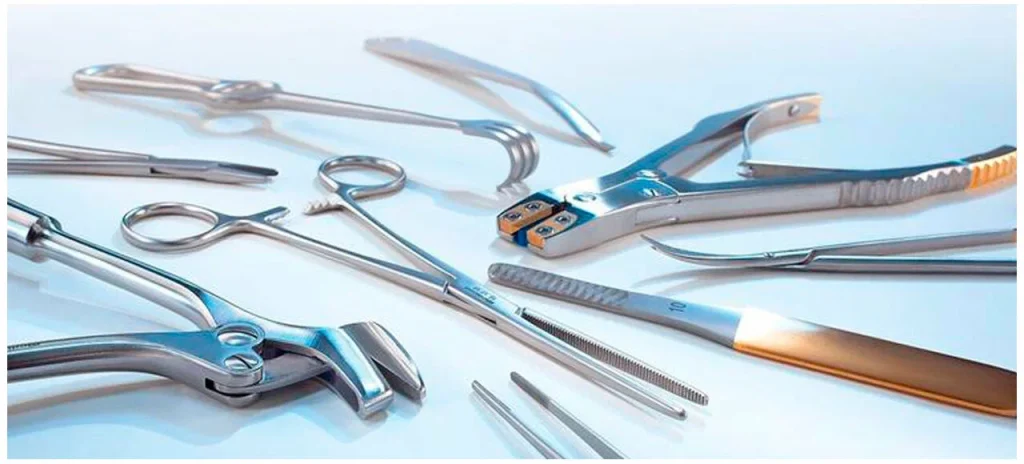
Surgical tools are very important in medicine because they let doctors and nurses do precise, life-saving work. As they become more important, the need for high-quality, dependable tools develops. But where do they make surgical tools, and how do the people who make them make sure they work well and are of good quality? This article looks at the world of surgical instrument manufacture and gives information about the countries, materials, and methods used to make these important tools.
The World of Making Surgical Instruments
Different countries across the world make surgical tools, and each has its own pros and cons based on things like cost, skill level, and quality requirements. Some of the best places to make surgical instruments are known for their heritage of precise engineering and their access to cutting-edge technology. So, where do they make surgical tools?

Germany is the best country for precision engineering.
Germany is a name that typically comes up when people talk about high-quality surgical tools. This Country has a long history of careful engineering, so its factories are famous for producing top-quality surgical tools. The city of Tattling, often called the .capital of surgical instruments,. hosts hundreds of small and large businesses that create equipment for many areas of medicine.
People love German-made tools because they are durable, sharp, and accurate. Because of these things, they are especially useful in delicate surgeries that need the highest level of precision, like neurosurgery, cardiology, and orthopedics. Germany’s rigorous rules and commitment to quality control make sure that its surgical tools match worldwide healthcare standards.
United States: Where New Ideas Meet Dependability
The United States is also very important to the industry that makes surgical instruments. Many of the worlds largest medical-device companies have their headquarters in the United States. These include well-known names like Medtronic, Johnson & Johnson, and Stryker. American enterprises blend new ideas with dependability to make sure that surgical tools created in the U.S. are always at the top of their game.
Surgical tools built in the U.S. work for everything from small cuts to big, tricky operations. Many U.S. manufacturers not only make high-quality products, but they also work on making tools that are more comfortable and precise to use during surgeries.
ASwitzerland—Great at Being Precise in Surgery
Another European country with high-quality surgical tools is Switzerland. Quality control is a big part of the country’s manufacturing process. Before an instrument ever hits the store shelf, it gets put through tons of real-world testing.
Surgeons in specialties that need the most accuracy, like ophthalmology, vascular surgery, and microsurgery, generally choose Swiss-made tools. Swiss surgical tools win the trust of doctors and nurses everywhere because people associate Switzerland with careful, top-notch manufacturing.
China—Production That Doesn't Cost Much
China has been a more important player in the market for making surgical instruments in the past several years. The country has built a lot of infrastructure to make high-quality surgical tools at lower prices than Western companies. People generally want Chinese-made tools for everyday processes since they are cheap.
China makes a huge number of surgical tools, and many companies throughout the world get their supplies from Chinese factories while still keeping tight quality control requirements. People that want cheap instruments without giving up quality will find this country appealing because it can swiftly and efficiently increase output.
Pakistan is becoming an important source of surgical tools.
Pakistan is becoming known as a new maker of surgical tools. Sialkot is one of the towns where the country’s surgical instrument business is based. It is known for making a big difference in the worldwide medical instrument market. There are hundreds of manufacturers in Sialkot that make high-quality surgical tools for many different medical fields.
Pakistani producers work hard to make tools that are up to international standards. Many businesses in Pakistan make tools for a wide range of medical fields, including general surgery, dentistry, and orthopedics. Pakistani-made instruments are affordable, and that low price has allowed the country to grow a strong export business in markets that mainly look for cost-effective options.
Pakistan’s experienced workers, low production costs, and rising focus on strengthening quality control methods are all reasons why the country’s surgical tool manufacturing business is growing. Pakistan is slowly carving out a spot in the worldwide surgical-tools business thanks to steady upgrades in its manufacturing know-how.
India is becoming a center for making medical devices.
India’s medical equipment business has been growing quickly, and surgical tools are a big part of the country’s exports. India is becoming a center for making surgical tools since the government is pushing for “Make in India” programs and there are more and more skilled workers available. Ambala and Hyderabad are two cities that have become important places for making medical instruments.
Instruments built in India are frequently less expensive than those made in Western countries, which makes them a good choice for healthcare institutions that need to save money. India’s manufacturing skills are getting better all the time, and the country is likely to become an even bigger player in the worldwide market for surgical equipment.
The Materials Used to Make Surgical Instruments
Surgical tools are made from several different materials, and every choice is based on the job the tool has to do- so it stays safe, sharp, and useful for many years. Some of the most frequent materials used to make surgical tools are:
Steel that doesn't rust
Almost all surgical tools come from stainless steel. It lasts a long time, doesn’t rust, and stays sharp over time. Surgeons usually reach for precision tools made from top-grade stainless steel alloys. These strong materials hold up during even the most delicate operations.
Titanium
Another common material for making surgical tools is titanium. Thats especially the case for tools found in plastic surgery and orthopedic wards. Titanium weighs less than stainless steel yet is super strong, wont corrode, and therefore suits implants and repeat-use gear perfectly.
Gold and Platinum
Doctors sometimes reach for platinum and gold when they plan tricky heart operations. The reason is simple: both metals play nice with the human body and usually cause no reaction at all. When a tiny mistake in a tool could lead to big trouble, surgeons trust these gentle materials to get the job done.
Ceramics
Some surgical tools, especially those that cut or grind, are composed of ceramics. For example, ceramic blades are widely used in microsurgery because they are very sharp and do not react with biological tissues.
Standards for quality control and certification
No matter where surgical tools are created, the procedure is tightly controlled and follows strict rules. The U.S. Food and Drug Administration (FDA), the European Medicines Agency (EMA), and the International Organization for Standardization (ISO) are some of the groups that set these standards.
The ISO 13485 certification, in particular, makes sure that manufacturers follow strict standards for making medical devices, such as surgical tools. This accreditation makes sure that companies follow the right quality control steps, which means that every equipment is safe to use in medical procedures.
Where do they make surgical tools? Working Together Around the World
When you wonder, “where are surgical instruments made,” its clear the answer reaches far beyond a single city or country.. Different places make surgical instruments, and each one helps the supply chain as a whole Tools come from lots of places around the globe, and each country has its own set of standards that makers follow so the gear stays safe and tough. Take German tools; those get attention for their precise engineering, while many Chinese tools are built with the focus on lower cost.